In today’s fast-paced world, advertising agencies play a crucial role in shaping brand identities and driving consumer engagement. Among various marketing strategies, outdoor advertising remains a powerful tool to capture attention in bustling urban landscapes.
From eye-catching billboards to innovative digital displays, these campaigns blend creativity with strategic placement to leave lasting impressions. Understanding how agencies craft these compelling messages can reveal much about consumer behavior and market trends.
Let’s dive deeper into some standout examples and explore why outdoor advertising continues to thrive. We’ll break it all down so you get the full picture!
The Art of Strategic Placement in Outdoor Advertising
Choosing High-Traffic Locations for Maximum Impact
One of the most critical aspects of outdoor advertising success is where the ads are placed. It’s not just about slapping a billboard anywhere; it’s about identifying spots with the highest foot or vehicle traffic where the message naturally catches eyes.
I’ve noticed that agencies often scout locations near transit hubs, busy intersections, or popular shopping districts because these areas guarantee thousands, if not millions, of daily impressions.
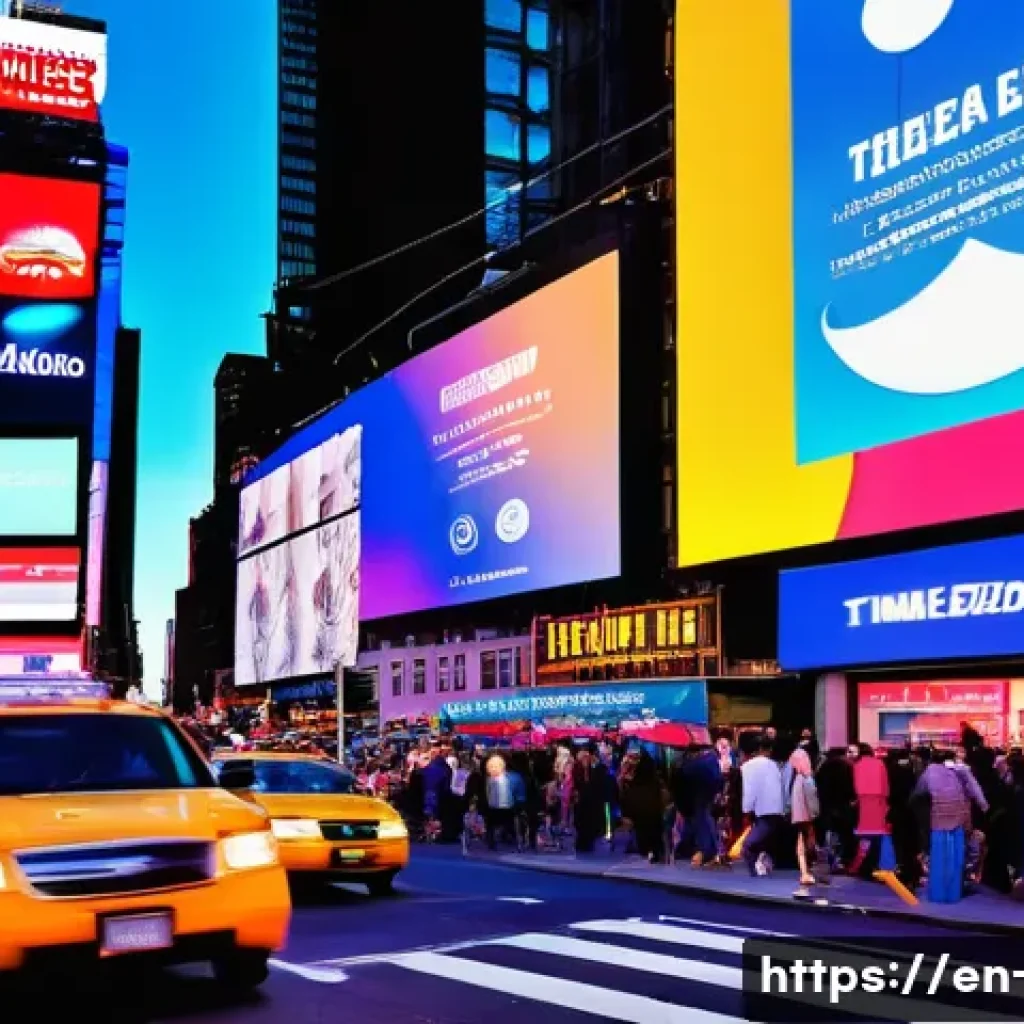
For example, Times Square in New York City isn’t just famous for its lights—it’s a goldmine for brands aiming to maximize visibility. The key is making sure the ad doesn’t get lost in the clutter but instead stands out amid the chaos.
Integrating with the Environment for Organic Engagement
Another clever tactic is blending ads seamlessly with their surroundings. Instead of feeling intrusive, these ads become part of the urban landscape, inviting curiosity rather than annoyance.
I recall a campaign where an outdoor ad used the natural shadows of a building to create a dynamic visual effect that changed throughout the day. This kind of creativity not only grabs attention but also encourages passersby to share their experience on social media, amplifying the campaign’s reach organically.
It’s a smart play—ads that respect and enhance their environment tend to resonate better with audiences.
Timing and Duration: When and How Long Matters
Timing is just as crucial as location. Ads placed during rush hour or special events have a higher chance of engagement. I’ve seen campaigns that rotate their messages depending on the time of day—morning commuters get energized with coffee brand ads, while evening audiences see promotions for local dining spots.
Additionally, the duration of the campaign influences recall; too brief, and the message might be missed, too long, and it risks becoming background noise.
Striking this balance requires careful analysis of consumer behavior patterns and event calendars to optimize exposure and impact.
Innovative Formats That Break the Mold
From Static Billboards to Interactive Digital Displays
Outdoor advertising has evolved tremendously with technology. Static billboards, while still effective, are increasingly being replaced or complemented by interactive digital displays.
These dynamic ads can change content in real-time based on weather, current events, or audience demographics. For instance, I once saw a digital billboard that switched its message from promoting sunscreen on sunny days to hot chocolate on colder evenings.
This adaptability captures attention far better than static images and creates a personalized feel that’s hard to ignore.
Utilizing Augmented Reality for Deeper Engagement
Augmented reality (AR) is becoming a game-changer in outdoor campaigns. By integrating AR, agencies invite consumers to interact with ads via their smartphones, turning passive viewers into active participants.
One memorable campaign allowed people to point their phones at a mural to reveal hidden animations and product information. This kind of immersive experience not only boosts brand recall but also encourages sharing on social media, expanding the campaign’s footprint beyond its physical location.
Eco-Friendly Outdoor Advertising: A Growing Trend
Sustainability is on everyone’s mind, and outdoor advertising is no exception. Many agencies are now prioritizing eco-friendly materials and energy-efficient digital displays to reduce environmental impact.
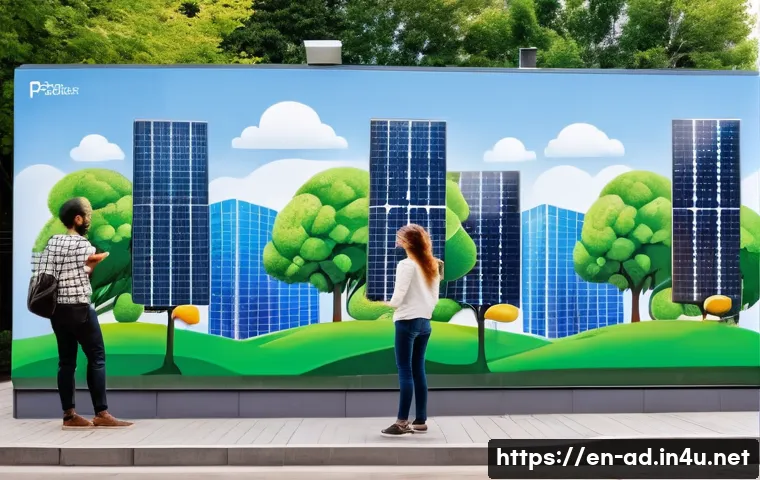
I’ve noticed campaigns using biodegradable posters or solar-powered digital billboards, which appeal to increasingly eco-conscious consumers. This approach not only helps the planet but also enhances brand image by demonstrating corporate responsibility, which can be a powerful differentiator in today’s competitive market.
Decoding Consumer Reactions to Outdoor Ads
Emotional Triggers That Drive Engagement
The most effective outdoor ads tap into human emotions—whether it’s humor, nostalgia, or inspiration. From my experience, ads that tell a story or evoke a strong feeling tend to linger longer in people’s minds.
For example, a campaign that used heartwarming imagery of family moments on a billboard near a suburban neighborhood struck a chord with viewers, leading to higher brand affinity.
Emotional resonance is often the secret sauce that turns a simple ad into a memorable experience.
How Simplicity Enhances Message Retention
Outdoor ads have mere seconds to grab attention, so simplicity is key. I’ve found that clean designs with bold headlines and minimal text work best because they’re easily digestible on the go.
Overcomplicated visuals or long sentences risk losing viewers before the message registers. Successful campaigns distill their core message into a single, striking idea that’s quickly understood and remembered, making every word and image count.
Measuring Impact Beyond Impressions
While outdoor ads boast impressive visibility, tracking their true effectiveness can be tricky. Agencies often combine traditional metrics like impressions with more qualitative measures such as social media buzz or foot traffic changes in nearby stores.
Personally, I’ve seen campaigns that integrate QR codes or unique hashtags to better gauge engagement. This multi-layered approach provides a fuller picture of how ads influence consumer behavior, allowing for smarter adjustments in future campaigns.
Creative Storytelling Through Visual Innovation
Using Optical Illusions to Surprise and Delight
Optical illusions in outdoor advertising are a fantastic way to stop people in their tracks. I’ve come across ads that use 3D effects or clever perspective tricks to make images appear as though they’re popping out of the billboard or interacting with the environment.
These surprising visuals not only capture attention but also encourage viewers to take a second look, increasing the likelihood of message retention. It’s a playful method that adds a layer of fun to brand communication.
Incorporating Local Culture to Build Authenticity

Advertisements that reflect local culture or landmarks tend to resonate more deeply with their audience. I’ve noticed brands tailoring their outdoor campaigns to include references or imagery that locals immediately recognize and appreciate.
This strategy fosters a sense of community and authenticity, making the brand feel more relatable. Whether it’s a mural featuring neighborhood icons or language that reflects local slang, these touches help forge emotional connections beyond the transactional.
Dynamic Content That Responds to Real-World Events
Some outdoor campaigns dynamically adjust based on current events, weather, or even sports scores. For example, a digital billboard might display congratulatory messages when a local team wins or offer discounts during unexpected weather changes.
This responsiveness makes the brand feel timely and engaged with its community. I’ve seen this tactic work wonders during major city events, where the ad’s relevance boosts both visibility and consumer goodwill.
Balancing Creativity with Budget Constraints
Maximizing ROI on Outdoor Campaigns
Budget is always a concern, but creative solutions can stretch every dollar further. From my experience, agencies often leverage modular designs that can be reused or adapted across multiple locations, reducing production costs.
Negotiating long-term contracts for prime spots can also secure better rates. It’s about finding the sweet spot where creativity meets cost-effectiveness without sacrificing impact.
Leveraging Data to Prioritize Spend
Data-driven decision-making helps allocate budgets where they matter most. By analyzing foot traffic patterns, demographic information, and past campaign performance, agencies can prioritize high-impact locations and formats.
I’ve seen campaigns that shifted budget toward digital displays after noticing higher engagement rates, proving that flexibility and informed choices are key to optimizing spend.
Collaborations and Sponsorships to Offset Costs
Partnering with local businesses or events can help share costs and boost exposure. For instance, a brand might sponsor a community festival and incorporate outdoor ads into event signage, creating a win-win scenario.
These collaborations not only reduce financial strain but also embed the brand within meaningful community experiences, enhancing overall campaign effectiveness.
Comparative Overview of Popular Outdoor Advertising Formats
| Format | Key Advantages | Typical Use Cases | Estimated Cost Range |
|---|---|---|---|
| Static Billboards | Wide reach, high visibility, cost-effective | Brand awareness, simple messaging | $1,500 – $10,000 per month |
| Digital Billboards | Dynamic content, real-time updates, interactive options | Event promotions, targeted ads, changing offers | $3,000 – $25,000 per month |
| Transit Advertising | Mobile exposure, captive audience, localized targeting | Commuter-focused campaigns, city-wide reach | $500 – $5,000 per bus/train per month |
| Street Furniture Ads | Close proximity to pedestrians, high engagement | Retail promotions, local services | $800 – $4,000 per location per month |
| Augmented Reality Installations | High engagement, innovative, social media friendly | Experiential marketing, brand storytelling | $10,000 – $50,000+ per campaign |
Future Trends Shaping Outdoor Advertising
AI-Powered Personalization on the Horizon
Artificial intelligence is making its way into outdoor advertising by enabling hyper-personalized content that adapts to viewer profiles in real time.
From my observations, this trend is gaining momentum with digital displays analyzing audience demographics and tailoring messages accordingly. Imagine walking past a billboard that shows products based on your interests or recent shopping behavior—this level of personalization could revolutionize outdoor ads.
Smart Cities and Integrated Advertising Networks
As urban areas become smarter, outdoor advertising will integrate more deeply with city infrastructure. I’ve read about initiatives where ads connect with public transport apps, weather sensors, or event calendars to deliver contextually relevant messages.
This integration promises a seamless experience where ads don’t just exist in isolation but become part of the urban ecosystem, enhancing both utility and engagement.
Greater Emphasis on Ethical Advertising Practices
Consumers increasingly demand transparency and ethical standards from brands. Outdoor advertising is following suit by avoiding manipulative tactics and focusing on honest messaging.
From my perspective, campaigns that emphasize social responsibility, inclusivity, and respect for privacy tend to build stronger, longer-lasting trust with audiences.
This shift is shaping not only what is advertised but how it’s done in public spaces.
글을 마치며
Outdoor advertising continues to evolve, blending creativity with strategic placement to capture attention in a crowded world. By embracing innovative technologies and understanding consumer behavior, brands can create memorable campaigns that resonate deeply. Success lies in balancing impact with authenticity while staying mindful of budget and ethical considerations. Ultimately, thoughtful planning and dynamic execution make all the difference in standing out and driving real engagement.
알아두면 쓸모 있는 정보
1. Selecting high-traffic locations like transit hubs or shopping districts significantly boosts ad visibility and potential engagement.
2. Integrating ads with their environment enhances organic interaction and can increase social sharing.
3. Timing campaigns around peak hours or events maximizes exposure and message recall.
4. Digital and augmented reality formats offer dynamic, personalized experiences that outperform static ads.
5. Measuring success through a combination of impressions, social buzz, and foot traffic provides a comprehensive view of campaign effectiveness.
핵심 포인트 요약
Effective outdoor advertising requires a strategic approach that combines prime location choice, creative integration with surroundings, and smart timing. Leveraging new technologies like digital displays and augmented reality can deepen consumer engagement and improve ROI. Budget-conscious planning, informed by data and community partnerships, ensures campaigns remain impactful without overspending. Finally, ethical transparency and cultural relevance foster trust and long-term brand loyalty, making these elements essential for future-ready advertising strategies.
Frequently Asked Questions (FAQ) 📖
Q: Why is outdoor advertising still effective in today’s digital age?
A: Despite the rise of digital marketing, outdoor advertising remains highly effective because it captures attention in real-world environments where consumers spend their time.
For example, when I was commuting through a busy city center, I noticed how large, vibrant billboards stood out amidst the daily hustle. These ads create immediate visual impact and can’t be skipped or blocked like online ads, making them a reliable way to build brand awareness and influence purchasing decisions.
Plus, the strategic placement in high-traffic areas ensures maximum exposure, which digital ads sometimes struggle to achieve organically.
Q: How do advertising agencies decide where to place outdoor ads?
A: Agencies rely heavily on data and local insights to choose optimal locations for outdoor ads. They analyze foot traffic patterns, demographic information, and even competitor presence to pinpoint spots where the target audience is most likely to see the message.
From my experience working with agencies, they often combine this data with creative concepts—like placing a sports brand’s billboard near a stadium or a coffee ad near office districts during morning rush hours—to enhance relevance and engagement.
This blend of strategy and creativity is key to maximizing campaign impact.
Q: What are some innovative trends in outdoor advertising that agencies are using now?
A: One trend I’ve seen gaining momentum is the integration of digital technology with traditional outdoor ads, such as interactive billboards and augmented reality experiences.
For instance, a recent campaign I encountered used motion sensors to change the billboard’s content based on passerby behavior, making the ad feel personalized and engaging.
Another innovation is programmatic outdoor advertising, where digital billboards dynamically adjust ads in real-time based on factors like weather or current events.
These advances help brands stand out in crowded urban spaces and foster deeper consumer connections.