
The advertising landscape is a whirlwind, isn’t it? Just when you think you’ve got a handle on things, a new tech emerges, or consumer habits completely shift.
I’ve personally seen how agencies, from small independents to global giants, are constantly adapting, trying to stay ahead of the curve. It’s a fascinating, fast-paced world where innovation is the only constant.
Right now, the buzz is all about how advertising agencies are embracing cutting-edge ad tech to deliver campaigns that truly resonate. We’re talking about everything from the incredible precision of AI and machine learning for hyper-personalization, which frankly, can feel almost magical, to the rising importance of first-party data strategies as privacy regulations like GDPR continue to tighten their grip.
It’s not just about flashy ads anymore; it’s about making genuine connections in an increasingly complex digital ecosystem. The shift towards immersive experiences, video ads, and even in-game advertising shows just how creative and adaptable this industry has become.
From my own experience, understanding these evolving trends isn’t just an advantage; it’s absolutely essential for anyone looking to make an impact. We’re navigating a future where automation and data-driven insights are paramount, yet the human touch and compelling storytelling remain at the core of successful advertising.
It’s a delicate balance, but one that promises incredible opportunities for those who are ready to innovate. Let’s dive into the fascinating world of advertising agencies and ad tech, and explore how these powerful forces are shaping our digital future.
Riding the Wave of Hyper-Personalization
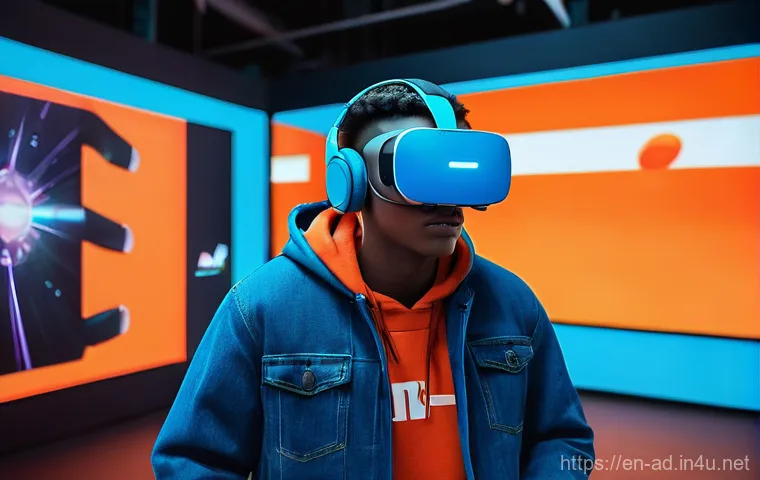
Honestly, when I first heard about AI and machine learning in advertising, I thought it sounded like something out of a sci-fi movie. But after diving in and seeing it in action, it’s truly incredible how these technologies are transforming how we connect with people. It’s no longer about shouting your message into a crowd and hoping someone hears; it’s about having a conversation directly with the person who actually cares. I’ve seen firsthand how a well-executed, hyper-personalized campaign can not only boost engagement but also create a real sense of connection with the audience. It feels less like an ad and more like a helpful suggestion tailored just for you, which is a game-changer in a world saturated with generic messages. We’re moving beyond just demographics to psychographics and behavioral patterns, understanding not just *who* someone is, but *what* they’re looking for and *why*. It’s a delicate dance, of course, to ensure it feels helpful rather than intrusive, but when done right, the results are simply phenomenal. This level of precision allows for budgets to be spent far more efficiently, too, minimizing waste and maximizing impact, something every agency owner I know obsesses over.
The Magic Behind AI-Powered Ad Campaigns
The “magic” of AI isn’t really magic at all; it’s sophisticated algorithms learning from vast datasets. What this means for advertisers is the ability to predict what a consumer might want or need *before* they even explicitly search for it. Think about browsing online for a new gadget, and then suddenly, ads appear for accessories that perfectly complement your potential purchase. That’s AI at work, analyzing your digital footprint, your browsing history, and even what similar users have done, to serve up highly relevant content. From my own experience, using AI to optimize bidding strategies and audience segmentation has dramatically improved campaign performance for clients. It takes the guesswork out of where to allocate resources, allowing creative teams to focus on crafting compelling messages rather than constantly tweaking targeting parameters. This predictive power also extends to optimizing ad placements and timing, ensuring your message reaches the right person at the optimal moment for conversion, leading to better cost-per-click and higher return on ad spend.
From Mass Appeal to Micro-Targeting
Gone are the days when a single ad campaign tried to appeal to everyone. Today, it’s all about micro-targeting, and ad tech makes this not just possible, but highly efficient. Instead of a broad net, we’re using a finely woven one, designed to catch specific segments of an audience. Imagine a fashion brand, for instance, able to show winter coat ads exclusively to people living in colder climates who have also shown an interest in sustainable clothing. This isn’t just about making ads more effective; it’s about making them more respectful of people’s time and attention. I’ve personally found that the more specific and relevant an ad is, the less it feels like an interruption and the more it feels like a service. This shift allows brands to build stronger relationships with their customers because the communication feels personal and thoughtful. It’s a strategic move from a “one-size-fits-all” mentality to a highly customized approach, which is crucial in today’s diverse and demanding marketplace. This strategy often results in higher click-through rates (CTR) and improved conversion rates, directly impacting ad revenue.
Building Trust in a Privacy-First World
It feels like just yesterday everyone was clamoring for more data, more insights, more tracking. Now, the pendulum has swung, and rightfully so, towards privacy. Consumers are savvier, and regulations like GDPR in Europe and CCPA in California have fundamentally reshaped how agencies approach data. I’ve had countless conversations with clients grappling with these changes, and my key takeaway has always been this: trust is the new currency. If you want to connect with your audience, you have to respect their privacy. This isn’t just about compliance; it’s about building long-term, genuine relationships. Agencies that are transparent about data usage and prioritize consumer consent are the ones that are going to thrive. It’s a different way of thinking, requiring a more thoughtful and strategic approach to data collection and utilization, but it ultimately leads to a stronger, more loyal customer base. It can be challenging to navigate, but it’s an essential part of being a responsible advertiser in today’s digital age.
The Rise of First-Party Data Strategies
As third-party cookies slowly but surely become a thing of the past, first-party data has emerged as the holy grail for advertisers. This is data that a company collects directly from its customers – think website visits, purchase history, email sign-ups, or interactions with customer service. From my perspective, this shift is incredibly empowering for brands. It means less reliance on external, sometimes opaque, data sources, and more control over the quality and relevance of the information they use. I’ve seen agencies develop sophisticated strategies for gathering and leveraging first-party data, creating proprietary data clean rooms and customer data platforms (CDPs). This isn’t just about collecting emails; it’s about understanding the entire customer journey on your own platforms. This deep, permission-based insight allows for incredibly precise targeting and personalization, all while maintaining transparency and respecting user privacy, which is a win-win for everyone involved. Investing in robust first-party data infrastructure is no longer an option, it’s a strategic imperative.
Navigating the Labyrinth of Regulations Like GDPR
If you’ve ever tried to read through the full text of GDPR, you’ll know it’s a dense read! But understanding its principles, and similar regulations globally, is absolutely critical. Agencies now have to be vigilant, ensuring every campaign is not just effective but also compliant. This means explicit consent for data collection, clear communication about how data is used, and providing users with control over their information. I’ve worked with clients who initially found this daunting, but once they embraced a privacy-by-design approach, they actually found it streamlined their operations and built greater consumer trust. It’s about shifting the mindset from “what data can we get?” to “what data do we *need* and how can we use it responsibly?” This change requires legal counsel, internal policy updates, and often new ad tech solutions designed specifically with privacy in mind. It’s a complex landscape, but agencies that master it become indispensable partners to their clients.
Beyond the Screen: Immersive Experiences
Think about how you usually interact with ads – often it’s a quick glance, maybe a scroll past. But what if an ad could draw you in, make you feel like you’re part of something? That’s the power of immersive experiences, and it’s something I’m incredibly excited about. We’re talking about everything from augmented reality (AR) filters that let you “try on” clothes virtually to full-blown virtual reality (VR) brand experiences. These aren’t just ads; they’re moments of engagement that create lasting memories and deeper connections with a brand. I’ve personally experimented with AR campaigns that saw engagement rates skyrocket because users weren’t just passively viewing; they were actively participating. It’s about leveraging technology to transcend the traditional flat screen and bring brands to life in a way that feels novel and exciting. This approach not only captures attention but also creates a unique brand association that’s hard to replicate with conventional advertising methods, boosting brand recall and affinity.
Engaging Audiences with Interactive Ads
Interactive ads are a breath of fresh air in a crowded digital space. Instead of simply pushing a message, they invite the user to engage, to play, to explore. This could be anything from quizzes and polls embedded directly into an ad unit to playable mini-games that highlight a product’s features. From my observations, people are far more likely to remember an ad they’ve actively interacted with. It’s a subtle but powerful shift from consumption to participation. I’ve seen brands use interactive elements to gather valuable feedback, educate consumers about complex products, and even personalize recommendations based on user choices within the ad itself. This not only makes the ad experience more enjoyable for the user but also provides agencies with richer data on consumer preferences and behaviors, which can then inform future campaign strategies. It’s a fantastic way to increase dwell time and make an ad feel less like an interruption and more like an engaging piece of content.
The Untapped Potential of In-Game Advertising
Gaming isn’t just a niche hobby anymore; it’s a massive cultural phenomenon, and advertisers are finally waking up to its immense potential. We’re not talking about annoying pop-ups that interrupt gameplay; we’re talking about seamlessly integrated ads that enhance the game experience. Imagine seeing billboards for real-world products within a virtual city, or character outfits sponsored by actual fashion brands. I’ve been fascinated by the opportunities in this space – from dynamic in-game ads that change based on player location or behavior, to branded virtual items that players can earn or purchase. It’s an environment where engagement is already incredibly high, and if done right, advertising can become part of the immersive world. This is especially potent for reaching younger, often ad-averse audiences who are highly engaged in these digital ecosystems. It’s a frontier that’s still being explored, but the agencies leading the charge are seeing incredible results in terms of brand recall and positive sentiment.
The Art and Science of Video Storytelling
If there’s one thing that consistently grabs attention online, it’s video. From short, snappy clips on social media to longer-form narratives, video is the undisputed king of engagement. But it’s not enough to just make a video; it has to tell a story, resonate emotionally, and be strategically placed. I’ve personally seen how a beautifully crafted video campaign can completely transform a brand’s perception and drive incredible results. It’s a blend of art and science: the art of compelling storytelling, and the science of using data to understand who to show it to, when, and where. The sheer volume of video content out there means that ours has to be exceptional to cut through the noise. This means investing in high-quality production, sharp editing, and most importantly, a narrative that truly speaks to the audience. It’s a continuous learning curve to keep up with trends like vertical video or interactive video, but the payoff in terms of engagement and brand impact is undeniably huge.
Capturing Attention in a Scroll-Heavy World
We live in a world of endless scrolling, where attention spans are measured in seconds. This makes the opening few seconds of any video ad absolutely critical. As someone who spends a lot of time analyzing ad performance, I can tell you that if you don’t hook your audience immediately, they’re gone. This often means leading with your most compelling visual, a surprising statement, or a question that piques curiosity. It’s about creating video content that’s designed for how people *actually* consume media today – quickly, on mobile, and often without sound initially. I’ve seen great success with campaigns that are optimized for sound-off viewing with clear captions and strong visual storytelling. It’s a challenge to condense a powerful message into such a brief window, but it forces a discipline in creative execution that ultimately leads to more impactful advertising. It’s a constant battle for eyeballs, and video is our strongest weapon when wielded effectively.
Maximizing Impact with Data-Driven Video Strategies
While the creative aspect of video is vital, the “science” part – using data to inform our strategy – is what truly maximizes its impact. This means analyzing viewer demographics, completion rates, engagement points, and even A/B testing different video intros or calls to action. I’ve worked on campaigns where subtle changes in video length or the placement of an offer, guided by data, led to significant improvements in conversion rates. It’s not just about producing one great video; it’s about understanding how different audiences react to different types of video content and then tailoring your distribution and messaging accordingly. This allows for truly targeted video campaigns that resonate deeply with specific segments. For example, a sports brand might create several versions of an ad featuring different athletes or sports, and then use data to ensure each version reaches the most receptive audience, thereby optimizing their ad spend and boosting RPM.
Decoding Success: Metrics That Matter Now

Measuring success in advertising used to feel a bit like throwing spaghetti at a wall and seeing what stuck. Now, with the proliferation of ad tech, we have an incredible array of metrics at our fingertips. But here’s the kicker: not all metrics are created equal, and focusing on the wrong ones can lead you down a very misleading path. I’ve spent years diving deep into analytics dashboards, and I can tell you that the true power lies in understanding which numbers truly reflect your business objectives. It’s easy to get caught up in “vanity metrics” that look good on paper but don’t actually move the needle for your clients. A successful agency today isn’t just about launching campaigns; it’s about providing clear, actionable insights into performance, demonstrating real return on investment (ROI) that directly impacts the bottom line. This requires a strong grasp of data analysis and the ability to translate complex data into understandable business outcomes.
Moving Beyond Vanity Metrics
Let’s be honest, impressions and likes are nice, but do they really tell you if your ad campaign is working? Often, they don’t. From my experience, the biggest shift in advertising measurement has been the move away from these “vanity metrics” towards metrics that directly correlate with business growth. We’re talking about things like customer acquisition cost (CAC), customer lifetime value (CLTV), incremental sales, and actual conversion rates. When I consult with clients, I always push them to define what a “successful customer” looks like for their business, and then we build our measurement framework around that. It’s about looking beyond the surface-level engagement to the deeper impact on revenue and profitability. This also plays a huge role in optimizing AdSense revenue; by focusing on metrics that drive high-value traffic and longer user sessions, you naturally increase your chances of higher CPC and RPM.
Understanding the True ROI of Modern Ad Tech
Implementing cutting-edge ad tech isn’t cheap, and clients always want to know: “What’s the return?” Proving the ROI of modern ad tech can be complex, but it’s absolutely essential. It involves connecting the dots between sophisticated targeting, personalized messaging, and actual business outcomes. For example, demonstrating that an investment in an AI-driven personalization engine led to a 15% increase in average order value, or that programmatic ad buying reduced media waste by 20%, makes a compelling case. I’ve found that using robust attribution models, which credit various touchpoints in the customer journey, helps paint a clearer picture of how each piece of ad tech contributes to the final conversion. This granular understanding allows agencies to continually optimize their tech stack and justify investments, showing clients that these aren’t just shiny new tools, but powerful engines for growth.
The Human Touch in an Automated Era
With all this talk about AI, machine learning, and automation, you might start to wonder if there’s any room left for human creativity. And I can tell you, unequivocally, yes! In fact, the more sophisticated our tech becomes, the more vital the human touch is. Ad tech gives us the tools to reach the right people at the right time, but it’s the human strategists, writers, designers, and creatives who craft the message that truly resonates. I’ve seen incredible campaigns fail because the underlying message lacked heart or originality, despite having all the right tech behind them. My personal belief is that technology should amplify human creativity, not replace it. It frees us from the mundane, repetitive tasks, allowing us to pour our energy into the big ideas, the emotional connections, and the compelling stories that only a human can truly conceive. This synergy between human ingenuity and technological prowess is where the real magic happens in modern advertising.
Why Creativity Still Rules
Algorithms can analyze data, predict trends, and optimize placements, but they can’t feel, imagine, or tell a story in a way that truly moves people. That’s where human creativity steps in, stronger than ever. In a world awash with data-driven efficiency, standing out requires a unique voice, an unexpected angle, and an emotional punch. I’ve personally been part of campaigns where a seemingly simple, yet incredibly creative, idea outperformed far more complex, tech-heavy approaches simply because it spoke to people’s hearts. Creativity is what cuts through the noise; it’s what makes an ad memorable and shareable. It’s the spark that ignites brand love and loyalty. So, while ad tech ensures our messages are seen, it’s creativity that ensures they are felt and acted upon. Never underestimate the power of a brilliant idea, beautifully executed by talented humans.
Striking the Balance: Tech and Talent Synergies
The sweet spot in modern advertising lies in the seamless integration of cutting-edge technology and brilliant human talent. It’s about having data scientists work alongside copywriters, and AI specialists collaborate with art directors. I’ve seen the most successful agencies foster environments where these disciplines complement each other, rather than compete. The tech provides the insights and the distribution power, while the human talent provides the empathy, the storytelling, and the cultural understanding. For example, AI might identify a target audience segment, but a human creative is needed to craft a message that genuinely resonates with that specific group’s desires and pain points. This collaborative approach allows for campaigns that are both highly efficient and deeply impactful, maximizing reach and engagement while maintaining authenticity. It’s a powerful partnership that propels advertising into the future, creating compelling content that captures attention and drives conversions.
Future-Proofing Your Brand’s Advertising
The advertising landscape is always shifting, and what works today might be old news tomorrow. Just when I think I’ve got a handle on the latest trends, something new pops up! That’s why, in my opinion, the most crucial strategy for any brand or agency is to be adaptable and forward-thinking. Future-proofing isn’t about predicting the exact next big thing; it’s about building a robust, agile framework that can embrace change and continuously innovate. This means investing in continuous learning for your teams, staying curious about emerging technologies, and fostering a culture of experimentation. I’ve seen too many brands get left behind because they were too slow to adapt, clinging to old methods that no longer delivered results. The key is to view innovation not as a cost, but as an ongoing investment in your brand’s longevity and relevance. It’s about being prepared for whatever comes next, rather than reacting to it after the fact.
Embracing Agility and Continuous Learning
In this rapidly evolving digital world, agility isn’t just a buzzword; it’s a necessity. Agencies and brands must be able to pivot quickly, test new strategies, and learn from both successes and failures at an accelerated pace. This means moving away from rigid, long-term campaign plans to more iterative, responsive approaches. I’ve personally found that the most effective teams are those that embrace a “test and learn” mentality, constantly optimizing based on real-time data and market feedback. This also extends to continuous learning. The ad tech landscape changes so quickly that staying updated is a full-time job in itself! Agencies that invest in training their teams on the latest platforms, tools, and privacy regulations are the ones that will maintain their competitive edge. It’s about cultivating a mindset where curiosity and adaptation are core values, ensuring you’re always one step ahead.
What’s Next on the Horizon for Ad Tech
So, what’s on the horizon? While I don’t have a crystal ball, I’m constantly watching developments in areas like the metaverse, Web3, and even more sophisticated forms of AI. We’re likely to see advertising become even more integrated into our daily lives, moving beyond screens into immersive digital environments and even physical spaces through mixed reality. Think about personalized ads appearing on public screens that react to anonymous audience data, or brand experiences within virtual worlds that feel as real as anything in person. There’s also a growing emphasis on ethical AI in advertising, ensuring that personalization doesn’t cross into manipulation. I’m particularly excited about advancements in predictive analytics that will allow for even more proactive and effective campaign management. The future of ad tech is about creating seamless, valuable, and respectful interactions between brands and consumers, and it’s going to be a wild, exhilarating ride.
| Aspect | Traditional Advertising Approaches | Modern Ad Tech Strategies |
|---|---|---|
| Targeting | Broad demographics (age, gender, location). Assumed interests based on publication or TV show. | Hyper-personalized (behavioral, psychographic, real-time intent). Micro-segmentation via AI. |
| Data Usage | Limited, aggregated data. Focus on surveys and market research. | Extensive first-party and real-time data. AI-driven analytics, predictive modeling. |
| Engagement | Passive consumption (watching, reading). One-way communication. | Interactive, immersive (AR/VR, in-game ads). Multi-directional communication. |
| Measurement | Reach, impressions, gross rating points (GRP). Hard to directly attribute sales. | Granular ROI, conversion rates, customer lifetime value (CLTV), incremental lift. Real-time optimization. |
| Ad Placement | Fixed placements (TV spots, print ads, billboards). Manual buying. | Programmatic buying, dynamic ad serving, cross-platform optimization. Automated and efficient. |
Wrapping It Up
Whew, what a journey through the ever-evolving world of advertising! It’s truly mind-boggling how quickly things change, isn’t it? From the deep dive into hyper-personalization powered by AI to navigating the crucial landscape of data privacy and the exciting frontiers of immersive experiences, it’s clear that today’s advertising isn’t just about selling a product—it’s about building genuine connections and trust. I’ve personally seen how these shifts are not just theoretical concepts but practical, impactful strategies that can genuinely transform how brands interact with their audiences. It’s a dynamic, challenging, yet incredibly rewarding space to be in, and I absolutely love seeing the innovative ways people are adapting and thriving.
Useful Information You Can Use Today
1. Embrace First-Party Data NOW: With third-party cookies phasing out by early 2025, collecting and leveraging your own first-party data is absolutely critical. This data, gathered directly from your customer interactions, provides the most reliable and privacy-compliant insights for personalized marketing.
2. Prioritize Ethical AI in Marketing: As AI becomes more sophisticated, it’s vital to ensure its ethical deployment. Focus on transparency, fairness, privacy protection, and human oversight to build consumer trust and avoid issues like algorithmic bias or manipulation.
3. Master Short-Form Video Storytelling: Attention spans are shrinking, especially on mobile. Focus on creating concise, visually striking video ads that hook viewers in the first few seconds, tell a compelling story, and include a clear call to action.
4. Go Beyond Vanity Metrics: While impressions and likes might look good, true success lies in metrics that directly impact your business objectives. Focus on conversion rates, customer acquisition cost (CAC), return on ad spend (ROAS), and customer lifetime value (CLTV) to measure actual ROI.
5. Foster Human-Tech Synergy: Don’t let automation overshadow creativity. The most successful campaigns blend cutting-edge ad tech with human ingenuity. Technology amplifies reach and efficiency, but human talent delivers the emotional resonance and unique storytelling that truly captivates an audience.
Key Takeaways
The advertising world is rapidly transforming, driven by hyper-personalization, a privacy-first mindset, and immersive experiences. AI and machine learning are revolutionizing targeting and efficiency, making customized interactions possible on an unprecedented scale. However, this technological leap demands a strong commitment to ethical practices, particularly in data handling and ensuring transparency. Savvy marketers are focusing on robust first-party data strategies and leveraging compelling video content to engage audiences. Ultimately, success in this new era hinges on a delicate balance: harnessing advanced technology to deliver personalized, impactful messages, while always prioritizing human creativity, authenticity, and consumer trust to build lasting brand connections. Agility and continuous learning are paramount to stay ahead in this dynamic landscape.
Frequently Asked Questions (FAQ) 📖
Q: How are advertising agencies leveraging cutting-edge ad tech like
A: I and machine learning to stay relevant and effective today? A1: Oh, this is a topic I could talk about for hours! It’s fascinating to see how agencies, even small, nimble ones I’ve advised, are truly embracing AI and machine learning.
Personally, I’ve watched the shift from broad, demographic-based targeting to what feels like almost psychic precision. AI isn’t just a buzzword; it’s practically the backbone of modern campaign optimization.
Agencies are using it to predict consumer behavior, allowing them to pinpoint the exact moment someone might be receptive to a message. For instance, an agency I know recently used AI to analyze past campaign data and customer journeys, helping a client allocate their budget far more effectively, reducing wasted ad spend by a noticeable percentage.
From my own experience, the magic really happens in hyper-personalization. Imagine serving an ad that feels like it was crafted just for you – not just your demographic, but your current needs, your past browsing habits, even your emotional state.
That’s where AI shines. It analyzes vast datasets, identifying patterns that humans simply can’t, and then helps craft messages and visuals that resonate deeply.
This means higher engagement, better click-through rates, and ultimately, a much stronger return on investment for brands. It’s not about replacing human creativity, not at all!
It’s about empowering our amazing creative teams with insights to make their storytelling even more impactful. It’s truly a game-changer.
Q: With all the talk about privacy, especially with regulations like GDPR, how are advertising agencies navigating the shift towards first-party data?
A: You know, it feels like just yesterday everyone was reliant on third-party cookies, and now they’re slowly but surely fading into the sunset. It’s been a massive shift, and frankly, a necessary one for consumer trust.
I’ve personally felt the impact of these privacy changes as I’ve tried to understand how my own data is being used. What I’ve seen firsthand is advertising agencies taking a proactive, almost partnership-driven approach with their clients.
They’re not just reacting; they’re strategizing. The focus is now squarely on first-party data – the information a brand collects directly from its customers with their consent.
This means agencies are helping brands build stronger relationships with their audience, encouraging direct engagement, and creating valuable content that makes people want to share their preferences.
Think about those interactive quizzes, loyalty programs, or personalized newsletters that actually offer value. I’ve noticed a real emphasis on transparency and building trust.
When consumers understand how their data is used to enhance their experience, they’re much more likely to opt-in. This shift, while challenging, forces agencies and brands to be more creative and genuinely customer-centric, which I believe is a huge win for everyone involved.
It builds a foundation of trust that even the most advanced ad tech can’t replicate.
Q: Beyond standard banner ads or TV spots, what are some of the most exciting new advertising formats and immersive experiences agencies are exploring right now?
A: Oh, this is where advertising truly gets exciting and, dare I say, fun! Gone are the days when a static banner ad was the pinnacle of digital advertising.
Agencies are pushing the boundaries of creativity, and it’s wonderful to witness. I’ve personally been captivated by some of the immersive experiences out there.
We’re talking about things like augmented reality (AR) ads that let you virtually “try on” clothes or “place” furniture in your living room using just your phone.
I remember seeing one where you could virtually customize a car in your driveway – it was absolutely brilliant and so much more engaging than just looking at a picture!
Then there’s the explosion of interactive video ads. It’s not just about watching anymore; it’s about participating. Agencies are designing videos where you can click on products, choose your own adventure, or even play a mini-game.
And let’s not forget in-game advertising, which has really come into its own. Brands are finding incredibly clever ways to integrate their messages seamlessly into video games, reaching a massive and often highly engaged audience without being disruptive.
It’s all about creating memorable, value-driven experiences that capture attention and build genuine connections, rather than just interrupting. The goal, from what I’ve observed, is to make the ad itself part of the entertainment or utility, drawing people in rather than pushing them away.
It’s a testament to how adaptable and innovative the industry has become!