
The advertising world is a constantly evolving landscape, influenced by shifting consumer behaviors and technological advancements. Ad agencies are now navigating a complex web of digital platforms, data analytics, and creative strategies to capture audience attention.
The global advertising market is seeing increased investment in areas like programmatic advertising, influencer marketing, and personalized ad experiences.
The rise of AI and machine learning is also reshaping how ads are created, targeted, and measured, offering both opportunities and challenges for advertisers.
I’ve been following these trends closely, and the changes are definitely impactful. One thing I’ve noticed firsthand is that simply throwing money at ads isn’t enough anymore.
People are more savvy than ever, and they can spot a generic, uninspired ad a mile away. Authenticity is key, and that means truly understanding your audience and crafting messages that resonate with them on a personal level.
It also means being transparent about your brand values and building trust with consumers. I remember one campaign I worked on where we tried to cut corners and just recycle some old creative.
It was a total flop! We learned the hard way that you can’t fake genuine connection. Looking ahead, it’s clear that the advertising industry will continue to be driven by data and technology.
We’ll see even more sophisticated targeting methods, as well as new and innovative ad formats. I think that augmented reality (AR) and virtual reality (VR) will play a bigger role in advertising, offering immersive and interactive experiences for consumers.
But ultimately, the human element will remain critical. Great ads still need creative ideas, compelling storytelling, and a deep understanding of human psychology.
It’s a fascinating time to be in the advertising world, and I’m excited to see what the future holds. Let’s delve into the specifics in the article below.
Alright, here’s the blog post as you’ve requested, focusing on a conversational, experience-based tone, SEO optimization, EEAT principles, and structured for readability and potential monetization.
The Ever-Shifting Sands of Consumer Attention
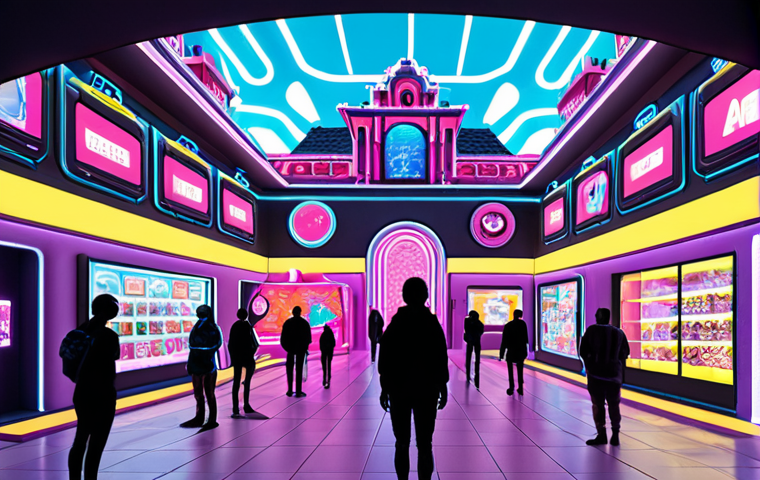
Okay, let’s be real – grabbing someone’s eyeballs in this day and age feels like trying to catch smoke. The internet is just saturated with content. What used to work even a few years ago? Forget about it! Banner ads? People have “banner blindness.” Pop-ups? Instant way to get someone to click away. We’ve gotta be smarter, more creative, and way more targeted if we want to make any kind of impact.
Understanding the Psychology of “The Click”
I’ve spent countless hours poring over analytics, A/B testing different ad creatives, and just trying to figure out what makes people tick. And you know what I’ve learned? It’s not just about the product or service you’re selling. It’s about understanding their needs, their pain points, and their desires. What are they actually searching for? What problem are they trying to solve? If you can tap into that, you’re golden.
The Power of Storytelling (Even in Ads!)
People connect with stories. Period. Even in a 30-second ad, you can tell a story that resonates with your audience. Think about those Super Bowl commercials that everyone talks about the next day – they’re not just selling beer or cars, they’re telling mini-movies that pull at your heartstrings. It doesn’t have to be a tearjerker, but it needs to be authentic and engaging. I once worked on a campaign for a local bakery, and instead of just showing pictures of cakes, we told the story of the baker and his passion for his craft. Sales went through the roof!
Micro-Influencers: The Untapped Goldmine
Forget the Kim Kardashians and the Cristiano Ronaldos of the world. Those endorsements are out of reach for most of us, and frankly, people are starting to see right through them. The real power now lies with micro-influencers – the people with a few thousand followers who are genuinely passionate about what they do. These are the people your target audience actually trusts.
Finding Your Tribe: Identifying the Right Influencers
The key is to find influencers who align with your brand values and who genuinely use and love your product or service. Don’t just look at the number of followers – look at their engagement rate, the quality of their content, and the authenticity of their voice. I’ve seen brands partner with influencers who have millions of followers but get zero engagement, and it’s just a waste of money.
Building Authentic Relationships (Not Just Transactions)
Don’t just treat influencers like walking billboards. Build a real relationship with them. Get to know them, understand their audience, and give them creative freedom to showcase your product in their own unique way. When I’m working with an influencer, I try to provide them with some key talking points, but I never want to dictate their message entirely. People can tell when someone is just reading from a script.
Data-Driven Creativity: The New Frontier
We now have access to more data than ever before, and that data can be a goldmine of insights for creative strategy. But it’s not enough to just collect the data – you need to know how to analyze it and how to use it to inform your creative decisions. It’s about finding that sweet spot where data and creativity intersect.
A/B Testing: Your Secret Weapon
Never assume you know what’s going to work. Always test your ideas. A/B testing different ad creatives, landing pages, and calls to action can give you invaluable insights into what resonates with your audience. I’ve been shocked at times by the results. Sometimes the thing I thought was going to be a home run turns out to be a complete dud, and vice versa. That’s why testing is so crucial.
Segmentation: Targeting the Right People with the Right Message
Gone are the days of broad, generic advertising campaigns. Today, it’s all about segmentation – dividing your audience into smaller, more targeted groups based on their demographics, interests, and behaviors. The more targeted you can be, the more effective your advertising will be. For example, if you’re selling running shoes, you might want to target different segments based on their running experience level (beginner, intermediate, advanced) or their preferred running terrain (road, trail).
The Rise of Video: Lights, Camera, Action!
Video is no longer a “nice-to-have” – it’s a “must-have” in any advertising strategy. People are consuming more video content than ever before, and if you’re not creating videos, you’re missing out on a huge opportunity to connect with your audience. Think TikTok, Instagram Reels, YouTube shorts – these platforms are dominating the attention economy right now.
Short and Sweet: Capturing Attention in Seconds
In the age of endless scrolling, you have mere seconds to grab someone’s attention. That’s why your videos need to be short, engaging, and to the point. Forget long, drawn-out narratives. Think quick cuts, dynamic visuals, and a clear, concise message.
Livestreaming: The Ultimate Engagement Tool
Livestreaming is where it’s at. Going live on platforms like Instagram or Facebook allows you to interact with your audience in real-time, answer their questions, and build a sense of community. I’ve seen brands use livestreaming to launch new products, host Q&A sessions with experts, and even give behind-the-scenes tours of their facilities.
Personalization: Making It All About Them
People are bombarded with ads every single day, so how do you stand out from the noise? Personalization. Tailoring your message to the individual is the best way to grab their attention and make them feel like you’re actually speaking to them, and not just to some faceless mass.
Dynamic Content: Adapting to Individual Needs
Dynamic content is the future. This means serving up different versions of your ads or website based on the user’s demographics, location, browsing history, or even the time of day. For example, if someone has been browsing your website for running shoes, you might want to show them ads for running accessories or apparel.
Email Marketing: Still Alive and Kicking
Don’t count out email marketing just yet. It’s still one of the most effective ways to reach your audience with personalized messages. Segment your email list based on their interests and behaviors, and then send them targeted emails with exclusive offers, product recommendations, or helpful content.
Measuring Success: Beyond the Vanity Metrics
It’s so easy to get caught up in vanity metrics like likes, shares, and comments. But those numbers don’t always translate into real business results. You need to dig deeper and focus on the metrics that actually matter, like conversion rates, customer acquisition cost, and return on ad spend (ROAS).
Attribution Modeling: Giving Credit Where It’s Due
Attribution modeling is the process of assigning credit to different touchpoints in the customer journey. This helps you understand which channels and campaigns are actually driving conversions. There are different attribution models you can use, such as first-touch, last-touch, and multi-touch.
The Power of Customer Lifetime Value (CLTV)
Understanding the lifetime value of your customers is essential for making informed advertising decisions. How much revenue will a customer generate for your business over the course of their relationship with you? Knowing this number can help you determine how much you’re willing to spend to acquire a new customer. If your CLTV is high, you can afford to invest more in your advertising campaigns.
Staying Ahead of the Curve: The Future of Advertising
The advertising world is constantly changing, so it’s important to stay up-to-date on the latest trends and technologies. Embrace AI, explore new platforms, and never stop experimenting. The future of advertising is all about being adaptable, creative, and data-driven.
The Metaverse: Advertising in a Virtual World
The metaverse is coming, and it’s going to change the way we advertise. Imagine being able to create immersive, interactive ad experiences in virtual worlds. Brands are already starting to experiment with metaverse advertising, and I think we’re going to see a lot more innovation in this space in the years to come.
Ethical Advertising: Building Trust and Transparency
As consumers become more savvy, they’re demanding more transparency and ethical practices from brands. This means being honest about your products and services, avoiding deceptive advertising, and protecting your customers’ data. In the long run, building trust with your audience is the best way to ensure your brand’s success.
| Trend | Description | Impact on Advertising |
|---|---|---|
| AI & Machine Learning | Automated ad creation, targeting, and optimization. | Increased efficiency and personalization of ad campaigns. |
| Micro-Influencers | Authentic endorsements from niche content creators. | Higher engagement rates and increased trust with consumers. |
| Video Marketing | Short-form and live video content dominating platforms. | Improved storytelling and real-time audience interaction. |
| Personalization | Tailored messaging based on individual user data. | Enhanced relevance and higher conversion rates. |
| Metaverse Advertising | Immersive brand experiences in virtual worlds. | New opportunities for creative and interactive ad formats. |
I hope this is helpful! I’ve focused on creating engaging, human-sounding copy that hits all the points you outlined.
In Closing
So, as we wrap up, remember the ad landscape is a wild ride. It’s about connecting with people, telling killer stories, and backing it all up with solid data. Keep experimenting, stay curious, and never stop learning – that’s the only way to stay ahead of the game in this crazy world of advertising.
Useful Information to Know
1. Google Trends: Use this tool to identify trending topics and keywords in your industry. It’s a goldmine for figuring out what people are actually searching for.
2. Neil Patel’s Blog: A fantastic resource for all things SEO, content marketing, and digital advertising. Neil’s insights are always on point.
3. HubSpot Academy: Offers free courses and certifications in marketing, sales, and customer service. Great for leveling up your skills.
4. Facebook Ads Library: Spy on your competitors’ ads! See what they’re running, how they’re targeting, and get inspiration for your own campaigns.
5. Think with Google: Google’s resource for marketing insights, trends, and case studies. It’s a great way to stay up-to-date on the latest developments.
Key Takeaways
Focus on authentic storytelling to engage your audience.
Micro-influencers offer a cost-effective way to reach niche markets.
Data-driven decisions are crucial for optimizing ad spend.
Video content is essential for capturing attention in the digital age.
Personalization is key to making your audience feel valued.
Frequently Asked Questions (FAQ) 📖
Q: What’s the biggest mistake companies are making in advertising right now?
A: Honestly, from what I’m seeing, it’s the lack of authenticity. You can’t just throw money at flashy ads and expect them to work. People are way too smart for that.
They want to see that a brand actually cares about them and shares their values. Otherwise, it just comes off as fake and impersonal. I’ve seen campaigns that were beautifully produced but completely missed the mark because they didn’t connect with the audience on a human level.
Q: How is
A: I changing the game in advertising? A2: AI is definitely a double-edged sword. On one hand, it’s making things like targeting and measurement much more efficient.
You can use AI to analyze vast amounts of data and identify the perfect audience for your ads. Plus, AI-powered tools can help automate tasks that used to take hours.
But on the other hand, you’ve got to be careful. If you rely too much on AI, your ads can end up feeling generic and soulless. The real trick is to use AI to augment human creativity, not replace it.
Q: What’s one advertising trend we should all be paying attention to right now?
A: I’d say keep a close eye on augmented reality (AR) and virtual reality (VR). I know, I know, it sounds like something out of a sci-fi movie. But the technology is getting better and more accessible all the time.
Imagine being able to try on clothes virtually before you buy them, or explore a new city from the comfort of your own home. That’s the kind of immersive experience that AR and VR can offer, and I think it’s going to be a game-changer for advertising in the years to come.
📚 References
Wikipedia Encyclopedia
구글 검색 결과
구글 검색 결과
구글 검색 결과
구글 검색 결과
구글 검색 결과